

As Invasive Species Awareness Week begins, a Maryland expert is explaining how invasive species harm Maryland's ecosystems and affect the environment as a whole.
An invasive species is a non-native plant or animal which spreads and rapidly displaces native species. Often, they are introduced through human activity and cause economic or environmental harm, or even harm to humans.
Luke Macaulay, wildlife management specialist at the University of Maryland Extension, said invasive species have second- and third-order effects beyond competing with local species.
"You can have these cascading impacts across the ecosystem," Macaulay explained. "If you think about the food web from your elementary days, where you learned how everything was interconnected, one big piece that gets changed has this ripple effect throughout the rest of the ecosystem. So, there are multiple effects from these things spreading on the landscape."
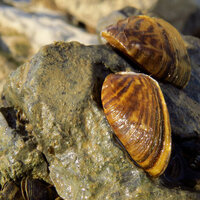
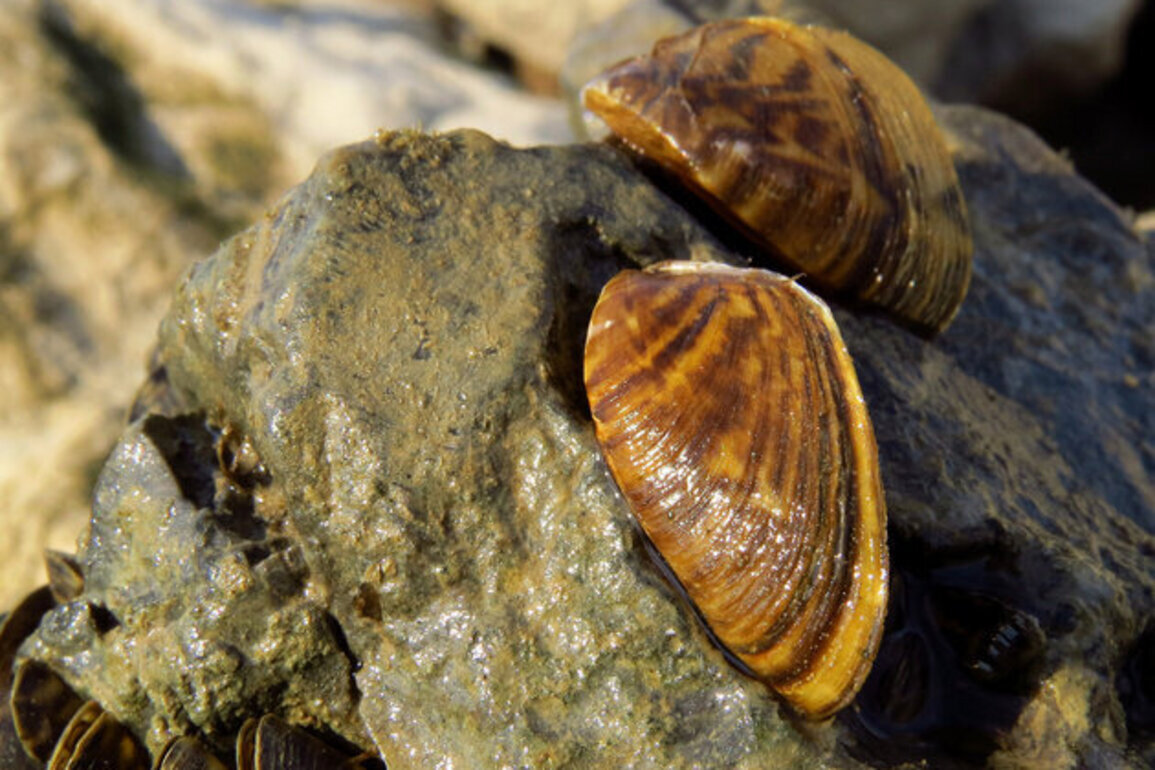
Maryland is home to more than 300 invasive plant species alone, according to the Mid-Atlantic Invasive Plant Council. Beyond plants like the Japanese knotweed and water chestnut, invasive animals include blue catfish, zebra mussels and sika deer.
Macaulay focuses mainly on invasive plants, pointing out plant life is core to every ecosystem.
"If you think about plants, they are the foundational aspect of the ecosystem," Macaulay emphasized. "If you look at an energy pyramid, all wildlife and the whole ecosystem really starts at the vegetation level because all the photosynthesis comes from the sun. That’s the source of energy for the whole system. You have herbivores that then graze on the plants, and then predators that then eat on herbivores."
He encouraged people to check their yard for unwelcome species by using mobile apps to identify them. Invasive species cost an estimated $26 billion worth of damage annually in the U.S., according to the National Invasive Species Information Center.